


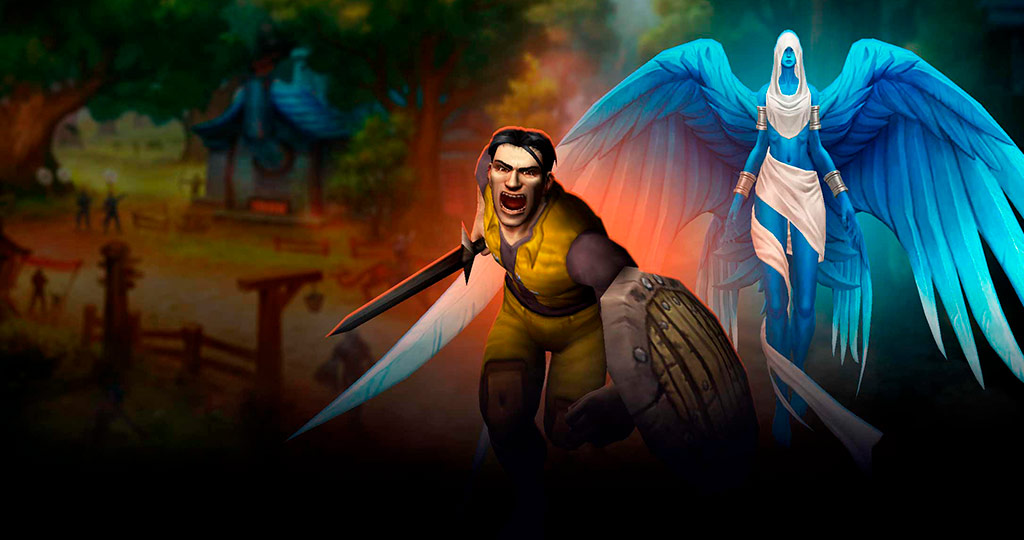
World of Warcraft (WoW) is an iconic title that reshaped the gaming landscape. Released in 2004, it introduced millions of players to the massive multiplayer online role-playing game (MMORPG) genre. As the game evolved across expansions, many players began to yearn for the original, vanilla experience. That longing led to WoW Classic—a faithful re-release of the original game. This overview explores the charm, mechanics, and enduring appeal of WoW Classic.
The rise and nostalgia for the original
To understand WoW Classic, it’s important to recall what made the original World of Warcraft special. At launch, WoW offered an expansive world—Azeroth—filled with detailed lore, varied environments, and a sense of discovery. Early design favored emergent social interactions: players grouped for dungeons and raids, traded to obtain needed items, and relied on in-game communities to overcome difficult content.
As expansions arrived, Blizzard modified game systems to improve accessibility, speed up progression, and introduce new quality-of-life features. While these changes broadened the audience, a segment of the player base missed the deliberate pacing and community-driven problem solving of the original. Fans recreated that feeling through unauthorized vanilla servers, demonstrating demand for an authentic experience. Blizzard answered by launching WoW Classic in 2019, restoring many original systems and design philosophies.
The authentic experience
WoW Classic’s design intentionally strips away many later conveniences to recreate the original gameplay loop. That means a focus on slower progression, meaningful group play, and clear class roles. The result is a game that emphasizes process over instant gratification.
Levelling up
Leveling in WoW Classic is a gradual process that rewards persistence. Progression often requires planning—selecting appropriate quest routes, managing limited inventory, and coordinating with other players for tougher objectives. The slower pace makes each level reached feel earned, and it encourages players to explore zones thoroughly rather than rushing to endgame content.
Community dependence
The game design assumes cooperation. Dungeons typically require coordinated parties; meaningful PVP often depends on alliances and organized groups; and major raids bring together dozens of players who must communicate and execute strategies. This structure fosters social ties and creates memorable shared accomplishments.
Class distinctiveness
Classes in WoW Classic are distinct in their capabilities and limitations. Certain classes are faction-restricted—Paladins for the Alliance and Shamans for the Horde—adding weight to faction choice and player roles. Each class’s toolkit contributes uniquely to group dynamics, making composition and role fulfillment important elements of success.
The world of Azeroth
Azeroth stands out as a richly realized setting with varied zones and interconnected questlines. From snowy peaks to arid plains, each region offers its own aesthetic, challenges, and local stories. Quests often link together to reveal broader narratives about the world, and exploration is rewarded through discovery rather than hand-holding.
Choosing between the Alliance and the Horde is more than cosmetic: it determines available races, starting areas, and social circles. That choice colors the player’s experience—impacting travel routes, access to services, and the tone of PVP encounters. The rivalry between factions shapes many in-game events and adds tension to contested zones.
Raids and dungeons
Dungeons and raids are central to the WoW Classic experience. Dungeons act as tests of coordination for a small group, requiring balanced roles and crowd control. Raids scale that challenge up substantially: encounters demand careful planning, target assignments, consumable management, and reactive execution under pressure. Iconic raid environments from the original game remain focal points for communities to organize, prepare, and ultimately triumph together.
The time investment for raid progression is significant, and that investment reinforces the social connections formed along the way. Clearing a difficult boss after repeated attempts feels like a genuine collective victory, and those moments often become lasting memories shared among guildmates.
Why play WoW Classic?
WoW Classic offers an alternative to modern MMOs that prioritize streamlined systems and rapid progression. It celebrates deliberate pacing, social interdependence, and emergent player stories. For returning players, it provides a chance to revisit the mechanics and moments that defined their early experiences in Azeroth. For newcomers, it presents a distinct style of MMO gameplay that highlights exploration, collaboration, and the satisfaction of overcoming slow, meaningful challenges.
Whether your interest is nostalgia, curiosity, or a desire for a more communal MMO, WoW Classic’s emphasis on process, teamwork, and authentic mechanics delivers an experience distinct from many contemporary online games.
Conclusion
WoW Classic is more than a re-release: it is a recreation of an era when the journey mattered as much as the destination, and community-driven play shaped the experience. Its dedication to authenticity—slower levelling, strong class identities, and challenging group content—keeps the original spirit of World of Warcraft alive. For veterans and newcomers alike, WoW Classic invites players to dive back into Azeroth and forge their own legends.

1 Comment
fsefds