


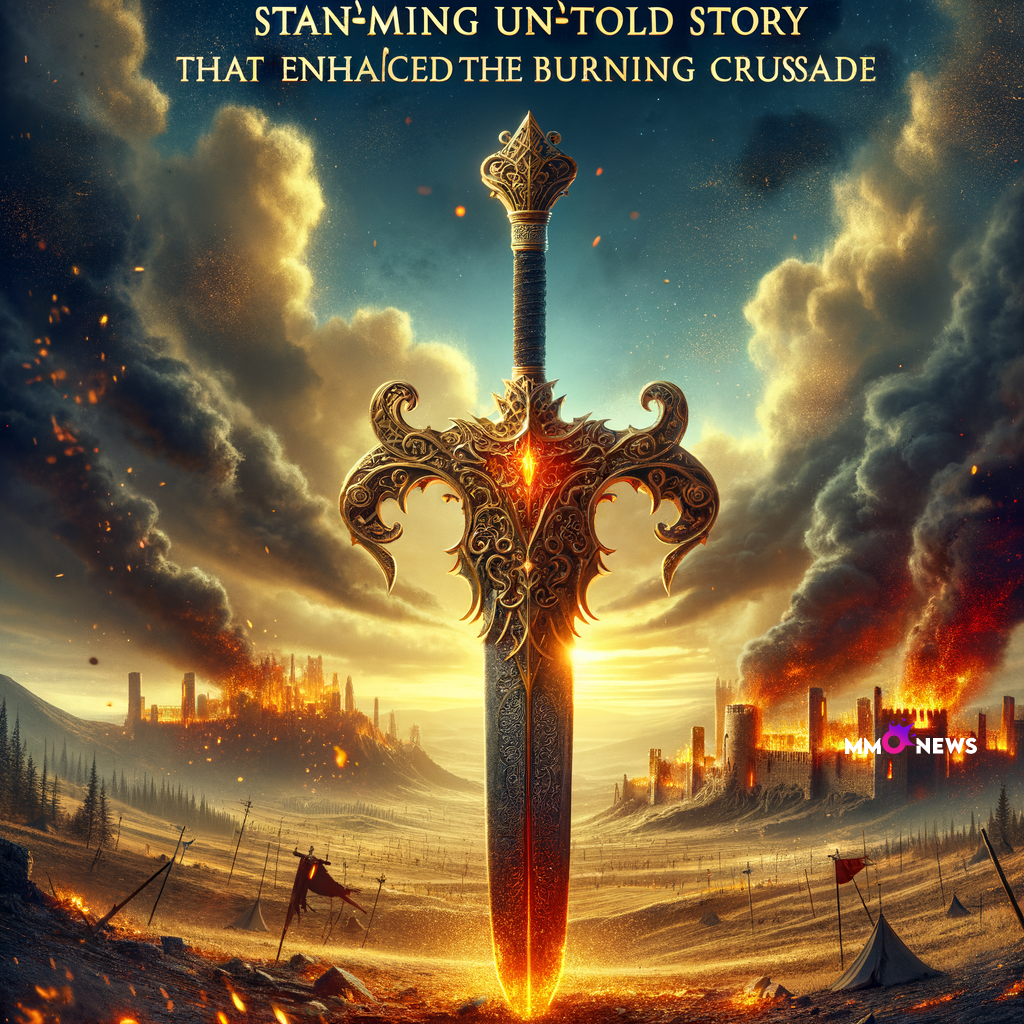
Ashbringer’s Stunning Untold Story That Enhanced The Burning Crusade
Ashbringer’s stunning untold story holds a unique place in the lore of World of Warcraft, particularly in how it enriches the experience of The Burning Crusade expansion. While many players are familiar with the powerful, iconic sword and its significance in earlier parts of Warcraft lore, the deeper, lesser-known narrative elements of Ashbringer added a rich layer of depth and context to The Burning Crusade, elevating the storyline and engrossing players even further into the epic conflict of Outland.
The Origins of Ashbringer: A Tale of Redemption and Power
To understand Ashbringer’s impact on The Burning Crusade, we first need to look back at its origins. The sword was originally wielded by Alexandros Mograine, a paladin of the Silver Hand, who was tragically betrayed and killed by his own son, Renault Mograine. The blade was infused with holy light to combat darkness and undead forces, symbolizing hope and purification. Over time, it became a legendary relic that holy warriors aspired to claim in their fight against the Scourge.
However, much of this story remains overshadowed by the towering events of Outland’s invasion and the demons that players face in The Burning Crusade. What many might not realize is how Ashbringer’s untold story intertwines closely with the lore surrounding the shattered world of Draenor and the ultimate fate of several key characters directly connected to the expansion’s narrative.
Ashbringer’s Role in The Burning Crusade’s Narrative Arc
The Burning Crusade expansion focuses heavily on the prison world of Outland, once known as Draenor—home to orcs, draenei, and the infamous Burning Legion. This expansion introduces players to new zones, factions, and threats, but it also subtly weaves in threads linked to Ashbringer’s legacy.
One of the stunning untold revelations is the continuing influence of Alexandros Mograine’s legacy through his descendants and the enduring power of Ashbringer itself. His son, Renault, carries a complicated burden tied to the sword, elevating the personal stakes of the paladin order in the new conflicts. Additionally, the storyline of the Scarlet Crusade, a fanatic group descended from the Silver Hand’s ideals but corrupted by zealotry, gained more dimension as connections to Ashbringer’s original mission were hinted at through NPC dialogues and quests in the expansion.
These narrative nuances made The Burning Crusade feel more than just a simple continuation of Warcraft’s ongoing battle against demonic forces; it became a deep exploration of legacy, sacrifice, and the consequences of wielding immense holy power.
Enhancing Player Immersion Through Untold Lore
One of the reasons Ashbringer’s story enhanced The Burning Crusade was through the way Blizzard integrated its mystique into the environment and gameplay without overtly spotlighting it. For example, scattered quests in zones like Hellfire Peninsula and Shadowmoon Valley reference paladins’ reverence for the blade and the holy war that it symbolizes. Players encounter subtle artifacts, lore entries, and even NPCs who hint at the sword’s lasting impact on the ongoing fight against the Legion’s forces.
Moreover, raids and dungeons introduced during the expansion referenced corrupted paladins and twisted holy magic that, though not explicitly tied to Ashbringer, resonate with its dark and redemptive themes. This layering of lore played a vital role in keeping veteran players engaged with more mature themes while still captivating newcomers who were just beginning to appreciate the world’s complex history.
Why Ashbringer’s Untold Story Matters Today
Even years after the release of The Burning Crusade, Ashbringer’s stunning untold story continues to captivate Warcraft lore enthusiasts because it exemplifies the rich storytelling Blizzard is known for—melding personal tragedy with epic battles. The narrative around Ashbringer reminds players that behind every legendary weapon lies a profound tale, often filled with loss, redemption, and the pursuit of justice.
For players exploring The Burning Crusade today, whether through classic servers or retrospectives, the knowledge of Ashbringer’s deeper story enhances the experience by providing historical context for many paladin quests and in-game events. It bridges the past and the present of Warcraft’s timeline, giving weight to the conflicts in Outland and enriching the player’s emotional connection with the characters.
Conclusion: A Legacy That Shines Beyond the Blade
The hidden depths of Ashbringer’s story serve as a powerful narrative device that significantly enhanced The Burning Crusade. It connects broader themes of light against darkness, personal sacrifice, and the enduring impact of history on future conflicts. This blend of untold lore and established legend is what keeps players invested in Warcraft’s evolving world and why Ashbringer’s tale remains a shining beacon in the grand tapestry of Azeroth’s history.
In essence, the sword is more than just a weapon—it is a symbol of hope and tragedy intertwined, forever influencing the events of The Burning Crusade and leaving an indelible mark on the hearts of players who dare to uncover its secrets.
